
How we removed a 2–3 day manual invoicing process from a Malaysian auto workshop using an AI agent.
Barr Garage Auto Spray did not need another accounting app. They needed the receipt to stop waiting for a quiet evening with Excel.
ButterflyCopilot
The car can be finished. The invoice often is not.
That was the shape of the problem at Barr Garage Auto Spray. Spray work is the business. Invoicing was the lag. A job could leave the booth on Thursday and still be waiting for a proper slip on Saturday, sometimes Monday, because the owner’s way of making a receipt lived in Excel, and Excel only happens when the floor is quiet.
We did not replace the workshop with software. We removed the waiting.

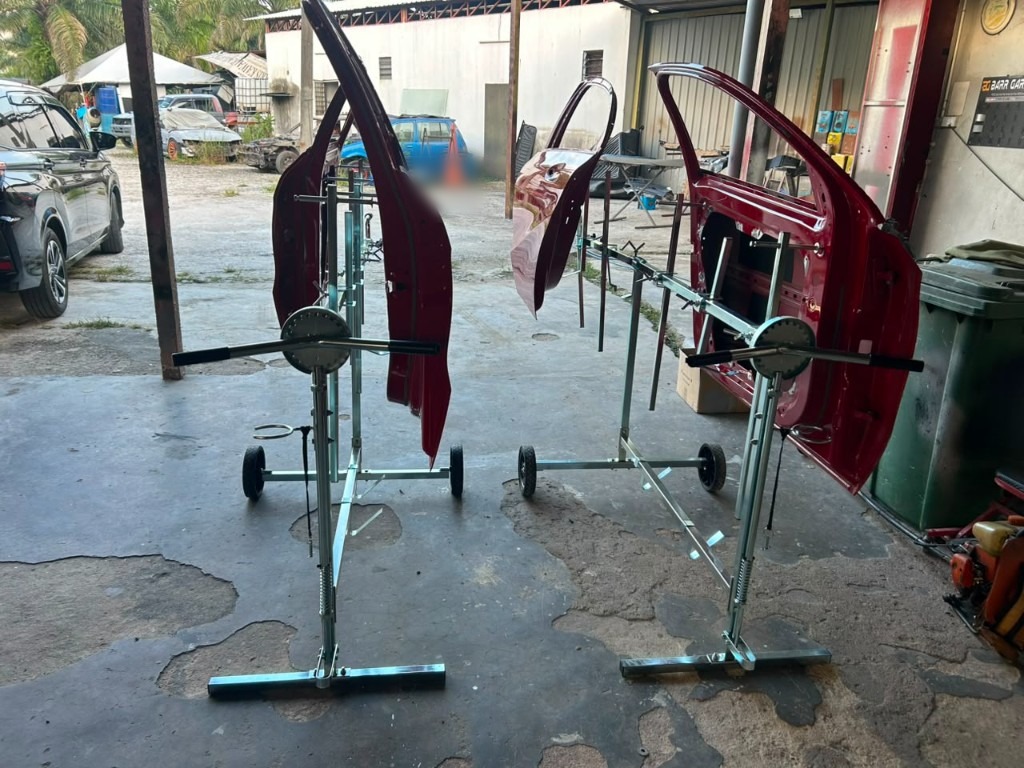
Where the two to three days actually went
Nobody at Barr Garage sat for 48 hours staring at one invoice. That is not how a small workshop loses time.
The days were queue time. Work finished on the floor. Details lived in WhatsApp, a notebook, memory. Then, later, when the booth was empty and the customers had gone, the owner opened the Excel file.
The sequence looked like this:
- Job is done. Parts, paint, labour are known to the people who did the work, not to a system.
- The owner (or whoever is “the Excel person”) waits for a gap. Often evening. Often the next day. Often the weekend pile.
- Open the old file. Find the last receipt. Copy a row. Type items. Fix the layout when Excel drifts.
- Print. Or screenshot. Or WhatsApp a photo of a printout. Then hope the customer is still around to collect it.
That is a 2–3 day process even when each receipt only takes twenty minutes of typing. The work is not hard. The work is not allowed to happen at the moment the job is done, because the tool lives in a different room, on a different pattern, in a file that is easy to mess up.
The shop still ran. Customers still paid. The tax was delay: cars ready, paper not ready, and a growing pile of “I will do the resit later.”
Excel for slips. WhatsApp for customers. Memory for what sold today. Nothing talks to anything else. We wrote about that shape in the earlier Barr Garage piece. This is the same shop. This time we are talking about the clock.
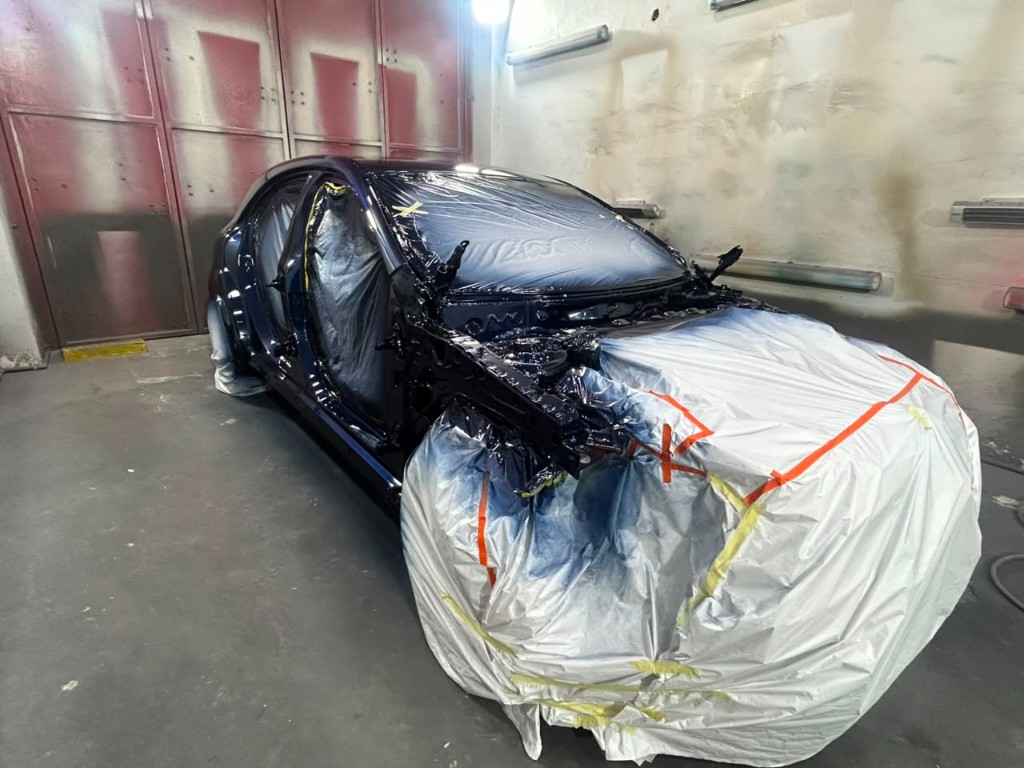
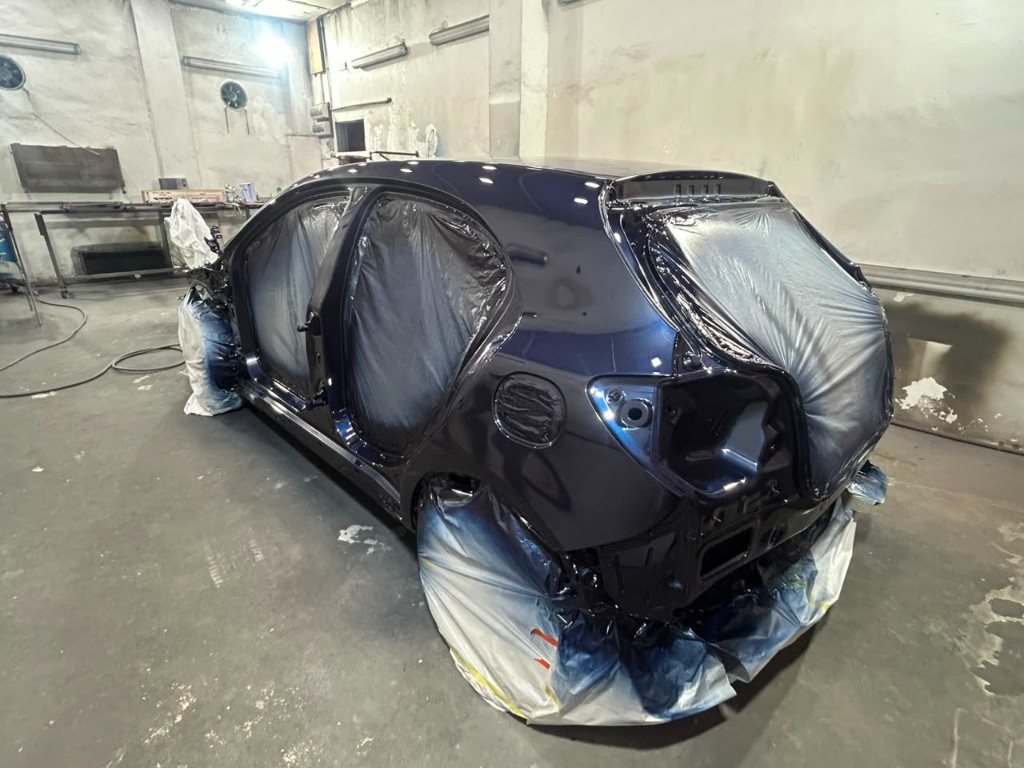
Why a nicer invoice app would have made it worse
The usual instinct is: give him accounting software. Cleaner template. Cloud login. Maybe e-invoicing later.
That instinct fails for the same reason mamak kitchens refuse a new POS. You are not offering a feature. You are offering retraining.
The owner did not become a spray-shop boss to become an operator of columns, exports, and print dialogs. Staff were not hired to learn a dashboard. If invoicing already waits for a quiet evening, a new system that needs a training day does not shrink the pile. It adds a second job on top of the pile.
Simplified is not the same as already known. The interface this shop had already passed was messaging. Type. Send. Get something back. No toolbar. No module. No “please watch this tutorial.”
So we did not start with a full operating system. We started at the fragment that hurt: the receipt that could not be made at the moment of the job.
What the agent actually does
ResitJe is a Telegram agent. Not a dashboard with a chatbot bolted on. The chat is the product.
The owner already types jobs in Malay, the way he would text a friend. The agent already knows his receipt layout, not a generic invoice skin. He does not become a “user” of invoicing software. He sends a message he already knows how to finish.
The flow:
- Pick a receipt template (his layout)
- Type the items and prices in chat
- The agent generates the receipt
- He gets PDF / PNG in the same thread
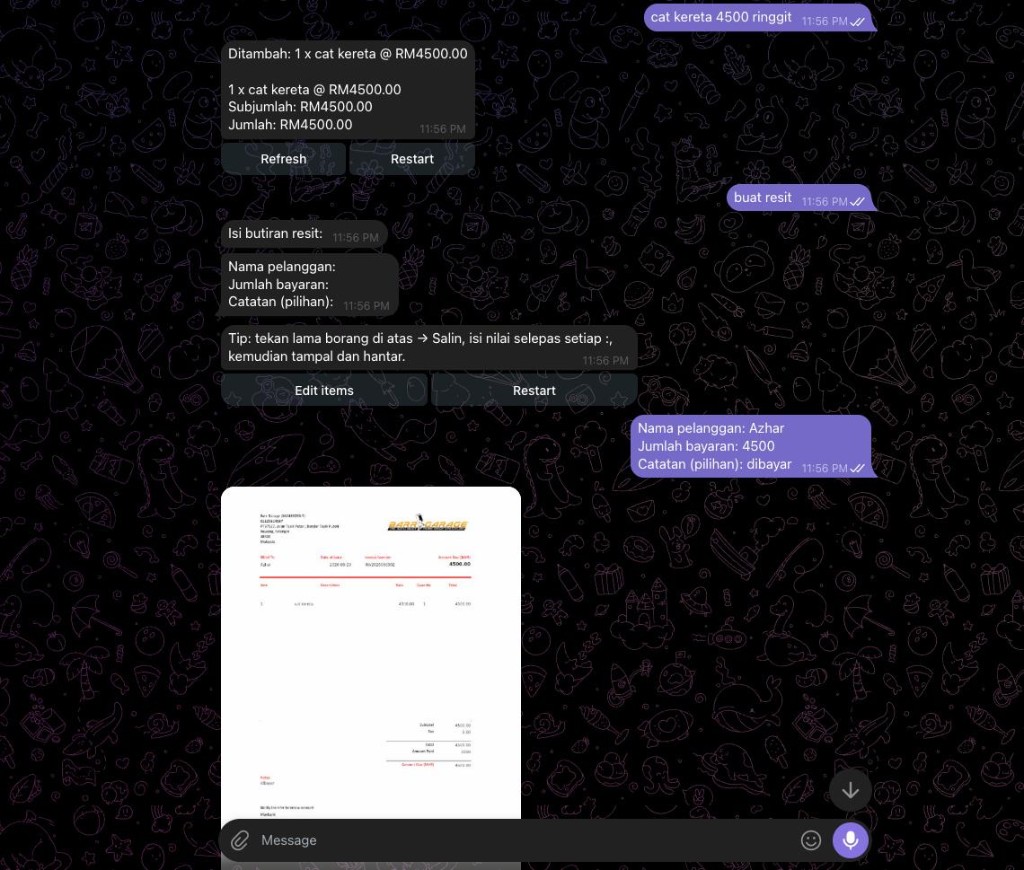
No login maze before the first win. No Excel file to babysit. The record now lives in a thread that can connect to the rest of the shop later. That is the point of an agent here: it does the step the owner used to batch, at the moment the information is still in his head.
What changed
The 2–3 day lag was never “invoicing is intellectually hard.” It was “invoicing is a different activity from running the shop.”
After ResitJe, invoicing can happen in the same motion as finishing the job. Customer waiting at the counter. Owner still in the booth conversation. Type the line items. File comes back. Send it. Done.
What we removed:
- The evening Excel session
- The weekend pile of unissued slips
- The “car ready, paper later” gap
- The copy-the-last-row ritual that breaks the layout
What we did not remove, on purpose:
- His prices. His wording. His template.
- His judgment about what to charge.
- The need for a human to say the job is actually done.
The agent does not invent the invoice. It stops the invoice from waiting for software skills.
That is the difference between an AI demo and an AI agent in a real shop. A demo answers a question. An agent closes a loop the business was postponing.
This is not “we deployed AI.” This is one connected piece.
Helping Barr Garage still does not teach us that SMEs need more features.
It teaches us that a 2–3 day process is often a UI problem wearing a finance costume. The money work is simple. The access pattern is hostile. So the work waits until the owner can afford to become an Excel person again.
You do not fix that by dropping a full OS on day one. You start at the painful fragment. You use the interface they already passed. You let them feel the receipt in their hand before you ask them to become a user of an operating system. Then the next workflow has somewhere to land.
ResitJe is that first connection: from a lonely Excel ritual to a chat that produces a file, in the language they already type.
If your shop still invoices in a pile, two or three days behind the work, message us on WhatsApp and we will drop you into the ResitJe bot.